


Subtotal $0.00


What Is HVAC and How Does It Work for Commercial and Residential Buildings?
Indoor comfort plays a crucial role in both homes and workplaces. One of the most important technologies behind this comfort is the HVAC system, which regulates temperature, air quality, and humidity in buildings of all sizes.
What Is HVAC?
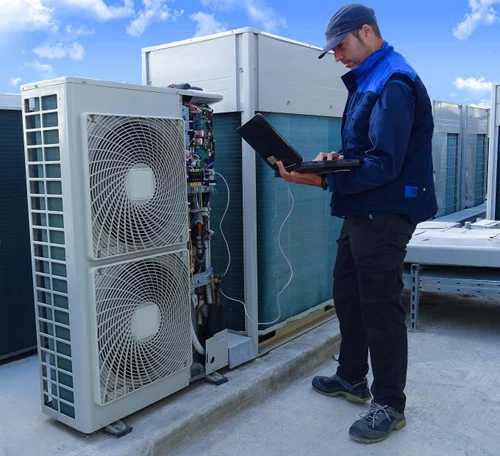
HVAC stands for Heating, Ventilation, and Air Conditioning. It refers to the integrated technology used to manage indoor climate by providing warmth during cold weather, cooling during hot conditions, and maintaining clean, breathable air throughout the year.
These systems are designed to create a comfortable and healthy indoor environment while improving energy efficiency.
How Does an HVAC System Work?
The operation involves three main processes working together:
Heating
Heating equipment such as furnaces, boilers, or heat pumps generates warmth and distributes it through ducts, radiators, or underfloor systems to maintain desired indoor temperatures.
Ventilation
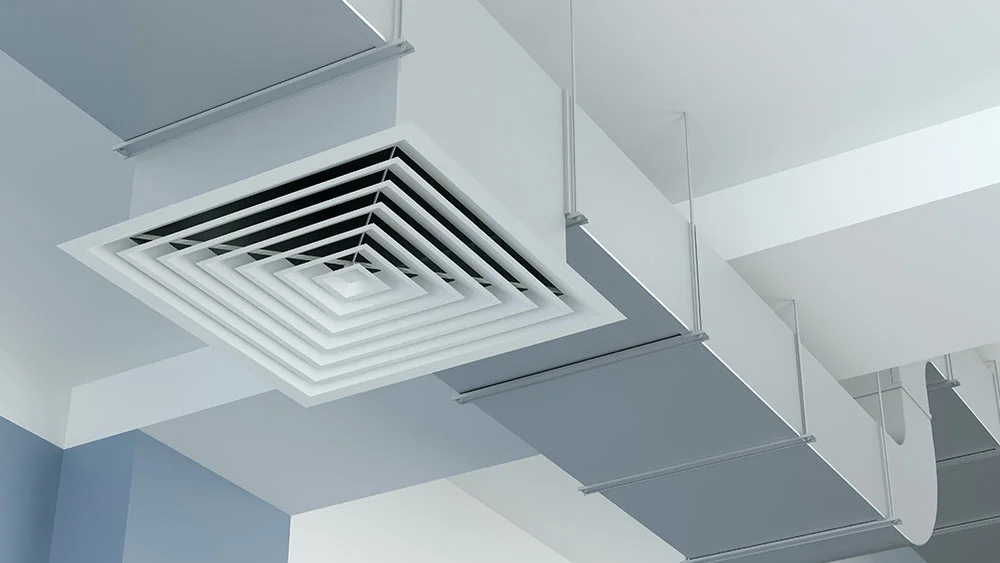
Ventilation ensures a constant flow of fresh air by removing pollutants, moisture, and odors. This process helps improve air quality and supports better health for occupants.
Cooling
Cooling components, including air conditioners and chillers, remove excess heat from indoor spaces. Warm air is absorbed, cooled through refrigeration cycles, and then circulated back into the building.
HVAC in Residential Buildings
In homes, HVAC solutions are designed for comfort and efficiency. They are typically smaller in scale and easier to control, allowing homeowners to regulate temperature levels room by room. Proper installation helps reduce energy costs and maintains consistent indoor comfort throughout the year.
HVAC in Commercial Buildings
Commercial spaces such as offices, malls, and hospitals require larger and more complex systems. These setups often include zoning controls, advanced air filtration, and automation to handle varying occupancy levels and operational demands efficiently.
Key Benefits of HVAC Systems
- Consistent indoor comfort
- Improved air quality
- Better humidity control
- Enhanced energy efficiency
- Increased property value
Importance of Regular Maintenance
Routine inspection and servicing help ensure reliable performance, extend equipment lifespan, and reduce energy consumption. Clean filters, proper airflow, and system calibration are essential for optimal operation.