


Subtotal $0.00



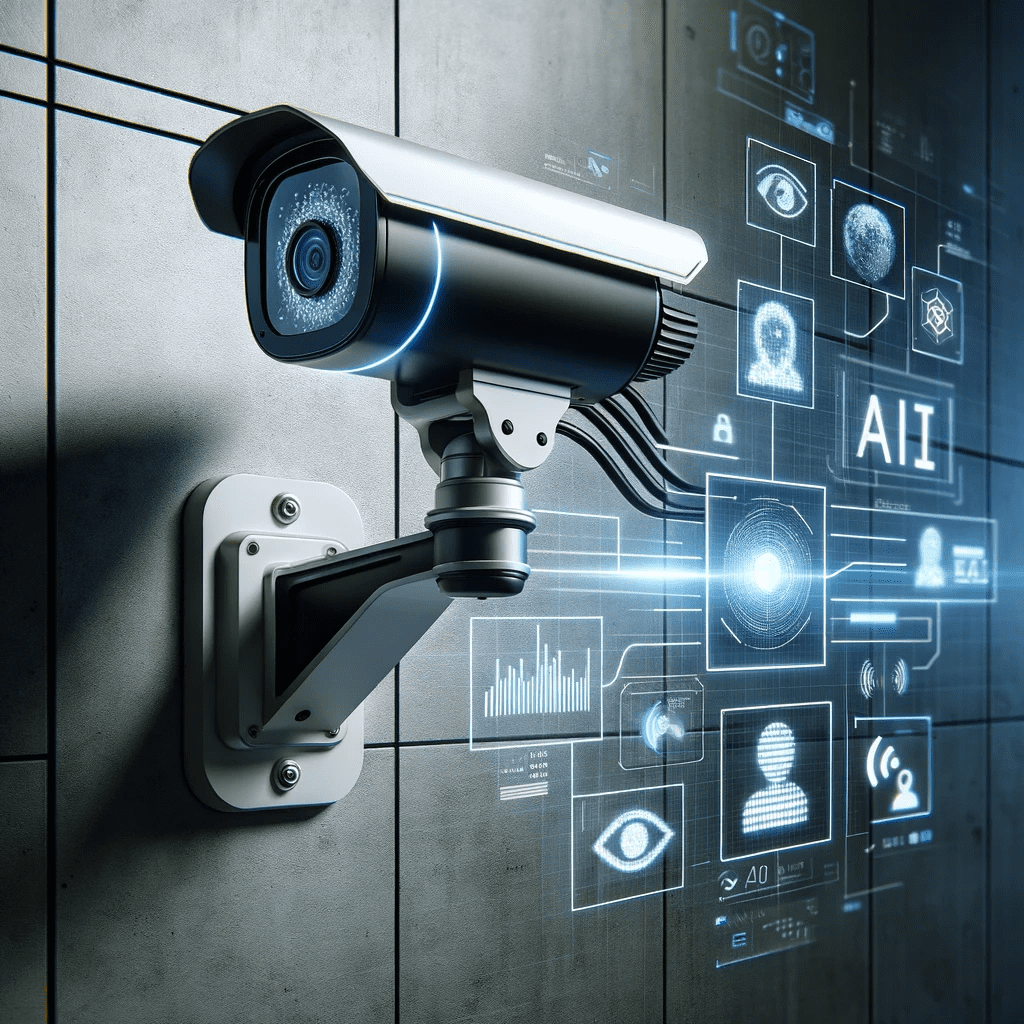
An Artificial Intelligent Camera System represents a major evolution in imaging technology, combining advanced optics with powerful machine learning algorithms to create cameras that don’t just capture visuals—they understand them. From security surveillance to mobile photography and industrial automation, AI-powered cameras are redefining how images and videos are processed, analyzed, and utilized.
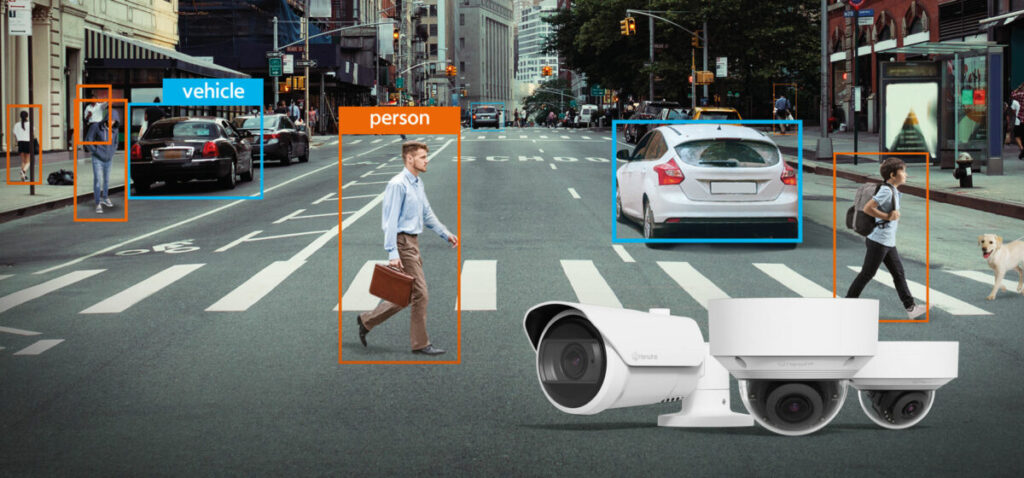
This article explores the technical foundations and real-world applications of AI camera systems in a way that’s both detailed and easy to understand.
What is an Artificial Intelligent Camera System?
An Artificial Intelligent Camera System is a combination of hardware and software that uses artificial intelligence—particularly machine learning and computer vision—to analyze visual data in real time. Unlike traditional cameras that simply record footage, AI cameras interpret scenes, detect objects, recognize faces, and make decisions based on what they “see.”
At its core, the system includes:
- Image sensors (to capture visuals)
- Processing units (CPU, GPU, or edge AI chips)
- AI algorithms (for analysis and decision-making)
- Storage and connectivity modules (cloud or local)
How AI Camera Systems Work (Technical Overview)
1. Image Capture
The process begins with a high-resolution image sensor capturing frames or video streams. These sensors are often enhanced with HDR (High Dynamic Range) and low-light capabilities.
2. Preprocessing
Before analysis, raw image data is cleaned and optimized:
- Noise reduction
- Contrast enhancement
- Image normalization
This ensures the data is suitable for AI processing.
3. AI Model Processing
The core intelligence comes from trained AI models, such as:
- Convolutional Neural Networks (CNNs) for image recognition
- Object detection models (e.g., YOLO, SSD)
- Facial recognition algorithms
These models are trained on massive datasets and can identify patterns, objects, and behaviors.
4. Edge Computing vs Cloud Processing
- Edge AI Cameras process data locally on the device for faster response and privacy.
- Cloud AI Cameras send data to remote servers for deeper analysis and storage.
Modern systems often use a hybrid approach.
5. Decision & Output
Based on analysis, the system can:
- Trigger alerts (e.g., motion detection)
- Adjust camera settings automatically
- Tag or categorize images
- Provide actionable insights
Key Features of AI Camera Systems
Object Detection and Recognition
AI cameras can detect people, vehicles, animals, and even specific objects in real time. This is widely used in security and retail analytics.
Facial Recognition
Advanced systems can identify individuals, making them useful for access control, attendance systems, and personalized experiences.
Low-Light Enhancement
AI algorithms improve visibility in poor lighting conditions by enhancing brightness and reducing noise.
Real-Time Video Analytics
AI processes video streams instantly, enabling live monitoring and quick decision-making.
Behavior Analysis
Some systems can detect unusual behavior patterns, such as loitering or crowd formation, which is valuable for security and public safety.
Applications of Artificial Intelligent Camera Systems
Smart Surveillance & Security
AI-powered CCTV systems are widely used in cities, airports, and businesses. They can:
- Detect suspicious activity
- Recognize faces
- Send instant alerts
This reduces the need for constant human monitoring.
Retail & Business Intelligence
Retailers use AI cameras to:
- Track customer movement
- Analyze shopping behavior
- Optimize store layouts
These insights help increase sales and improve customer experience.
Mobile Photography
Smartphones now use AI cameras for:
- Scene detection
- Portrait mode
- Real-time filters
This allows users to capture professional-quality photos without manual adjustments.
Industrial Automation
In manufacturing, AI cameras:
- Inspect products for defects
- Monitor assembly lines
- Improve quality control
This reduces errors and increases efficiency.
🚗 Autonomous Vehicles
AI camera systems are essential for self-driving cars. They help vehicles:
- Detect obstacles
- Recognize traffic signs
- Navigate safely
Advantages of AI Camera Systems
Real-Time Decision Making
AI cameras process data instantly, enabling quick responses without human intervention.
High Accuracy
With continuous learning, AI systems improve their accuracy over time.
Enhanced Security
Automated alerts and monitoring reduce risks and improve safety.
Cost Efficiency
Businesses save costs by reducing manual monitoring and improving operations.
Challenges and Considerations
Despite their advantages, AI camera systems also come with challenges:
Privacy Concerns
Facial recognition and surveillance raise ethical and legal issues.
Data Dependency
AI models require large datasets for training and accuracy.
Processing Power
Advanced AI processing can require significant computational resources.
Maintenance & Updates
AI systems need regular updates to stay effective and secure.
Future of AI Camera Technology
The future of Artificial Intelligent Camera Systems is incredibly promising. Emerging trends include:
- Integration with IoT devices
- 5G-enabled real-time processing
- Advanced generative AI for image enhancement
- Fully autonomous surveillance systems
As technology evolves, AI cameras will become smarter, faster, and more accessible across industries.
Conclusion
Artificial Intelligent Camera Systems are transforming how we capture, analyze, and interact with visual data. By combining advanced imaging hardware with powerful AI algorithms, these systems go far beyond traditional cameras—offering real-time insights, automation, and intelligent decision-making.
Whether used in security, business, mobile photography, or industrial automation, AI camera systems are paving the way for a smarter, more connected world.